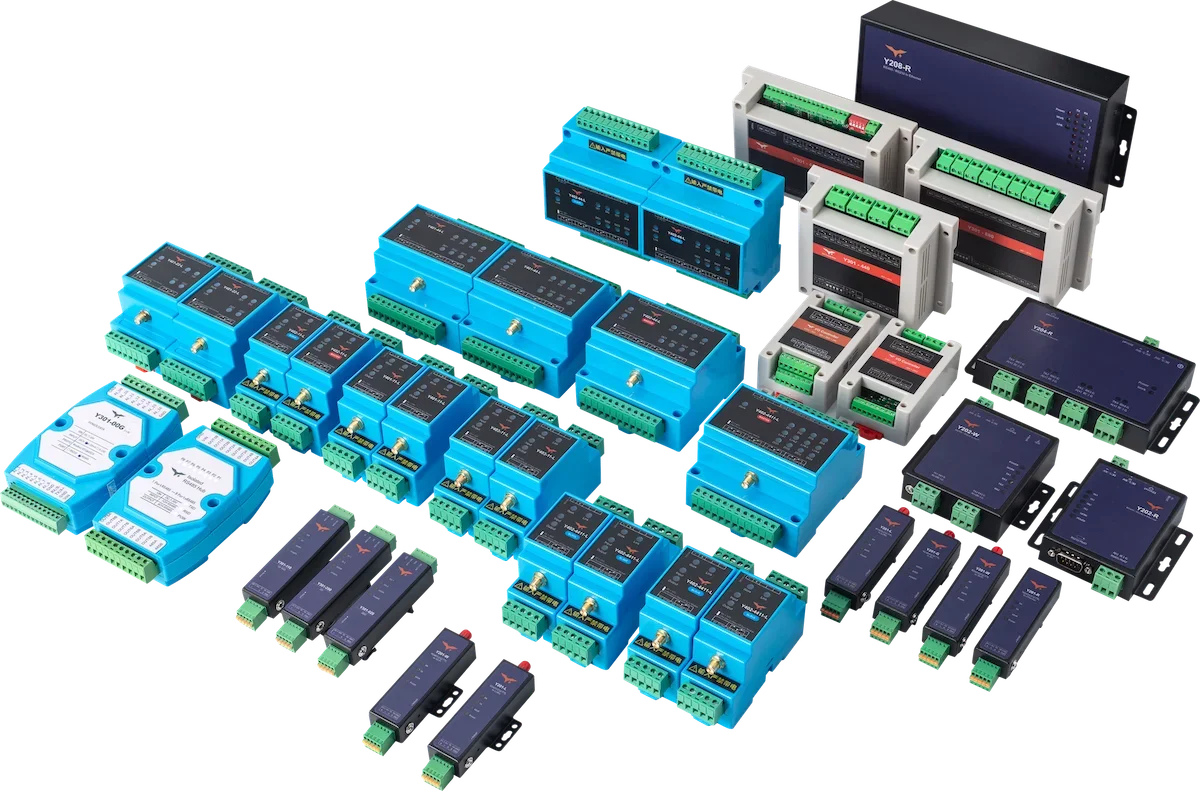
Wireless I/O Modules
Industrial Wireless I/O Modules
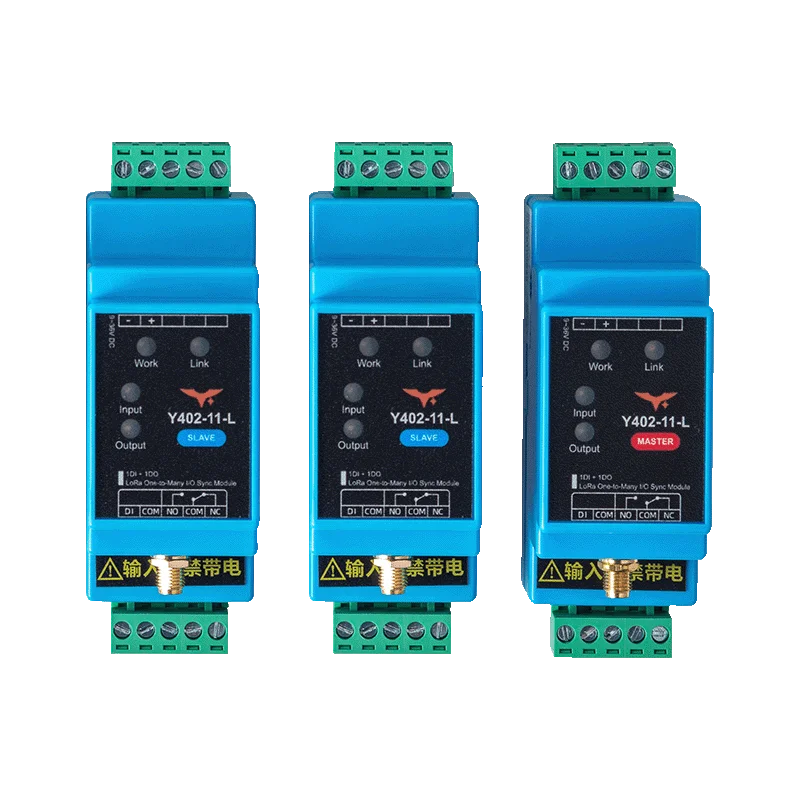
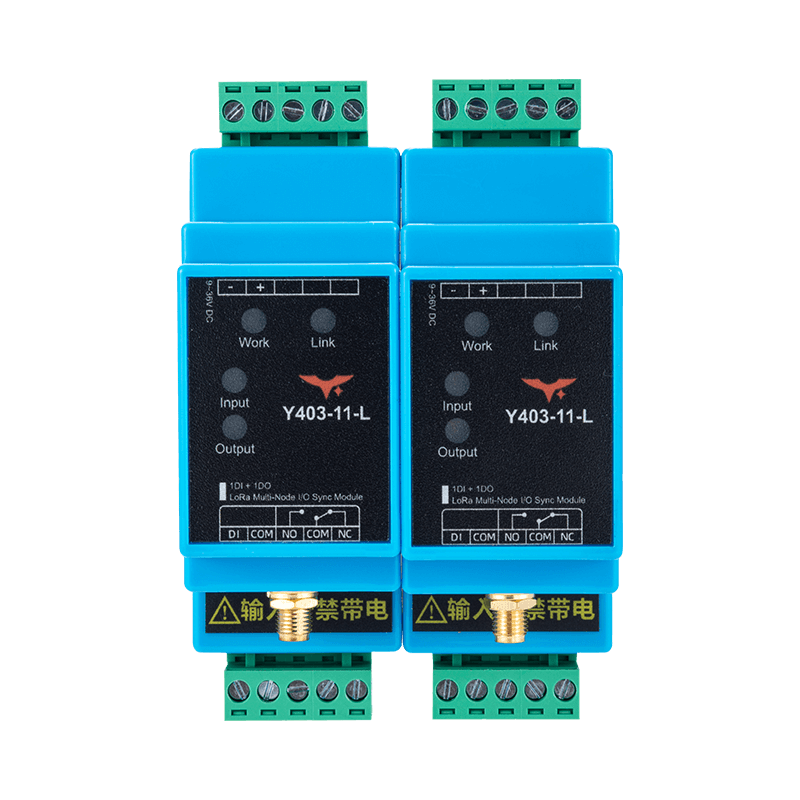
LoRa wireless cable replacement for dry contacts and 4–20 mA / 0–10 V signals. Connect field equipment for wireless pump and relay control, without internet.
Wireless I/O Modules
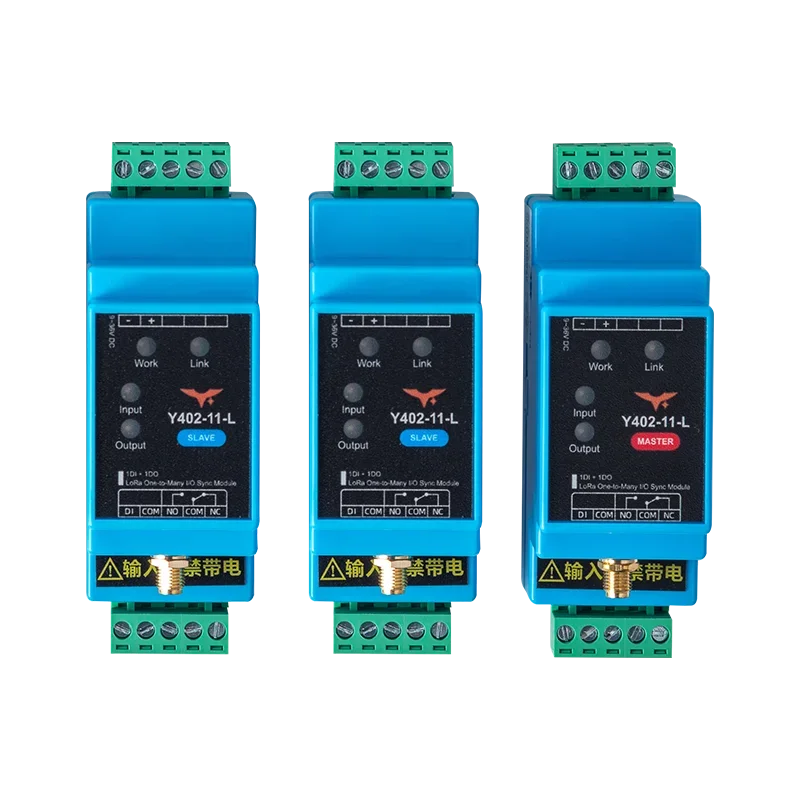
LoRa wireless cable replacement for dry contacts and 4–20 mA / 0–10 V signals. Connect field equipment for wireless pump and relay control, without internet.
Gateways connect equipment, I/O modules collect its signals, and IoT Cloud and smart distribution boxes put it under control.
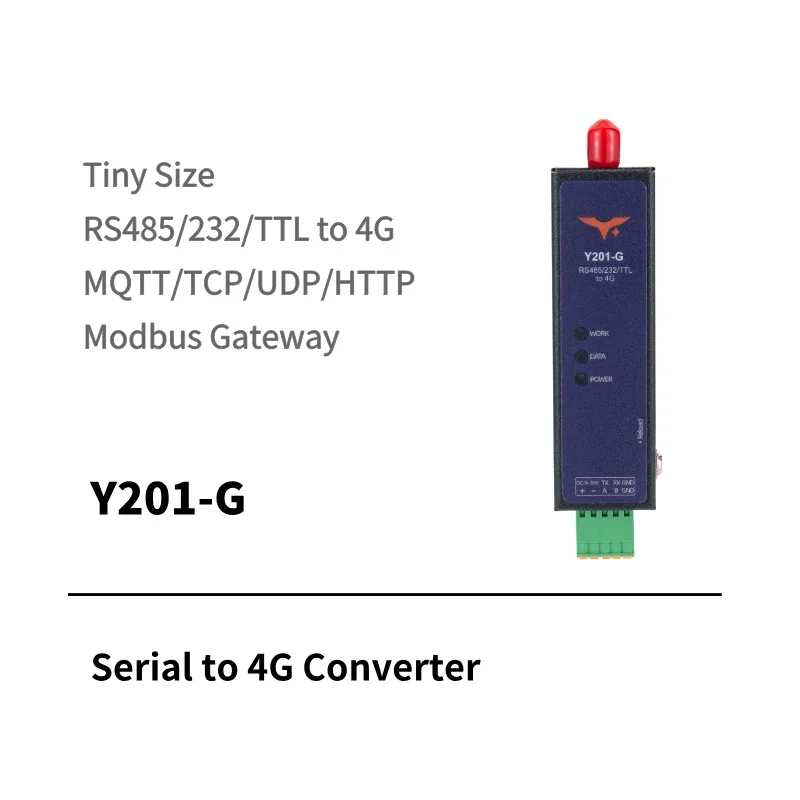
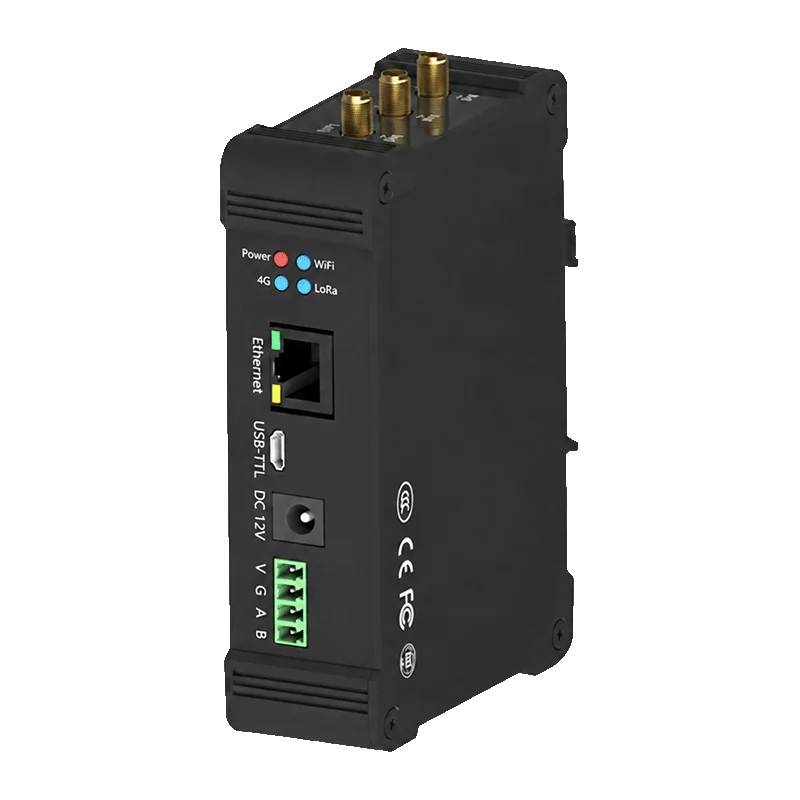
Connect serial devices over 4G, Ethernet, Wi-Fi, LoRa or LoRaWAN.
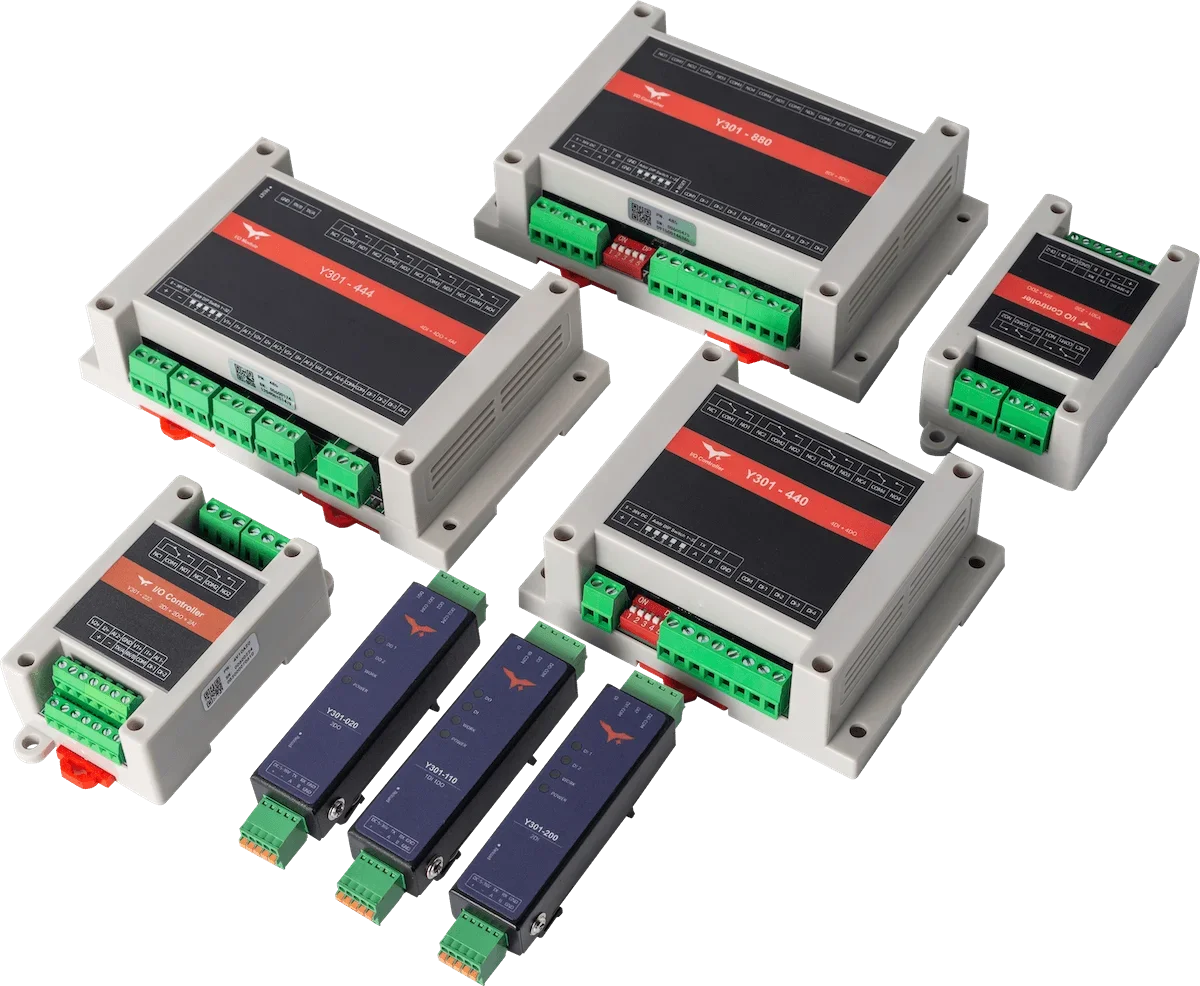
Read digital and analog signals and drive relay outputs at the equipment.
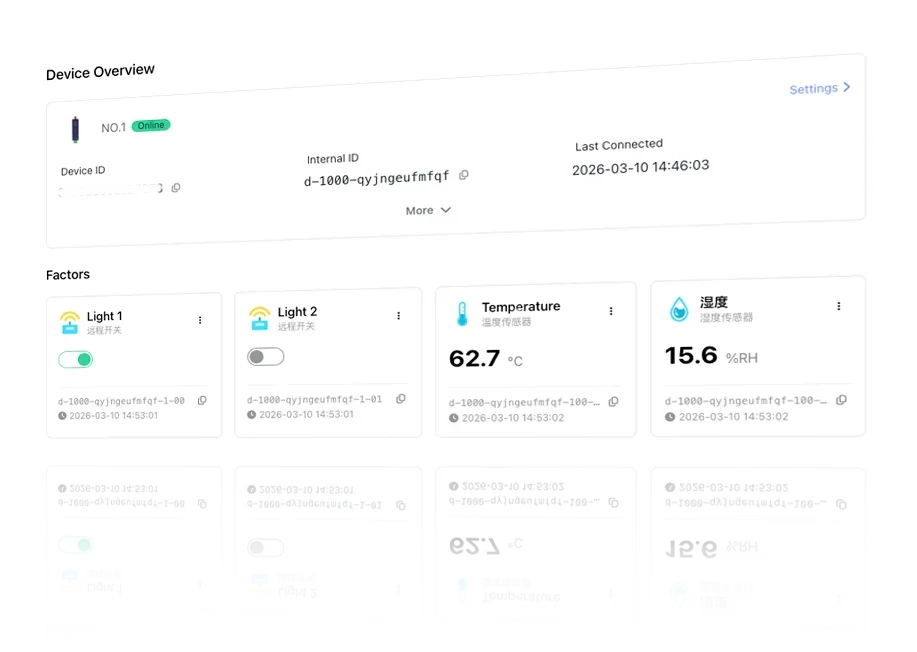
Switch circuits, apply rules and check equipment status remotely.
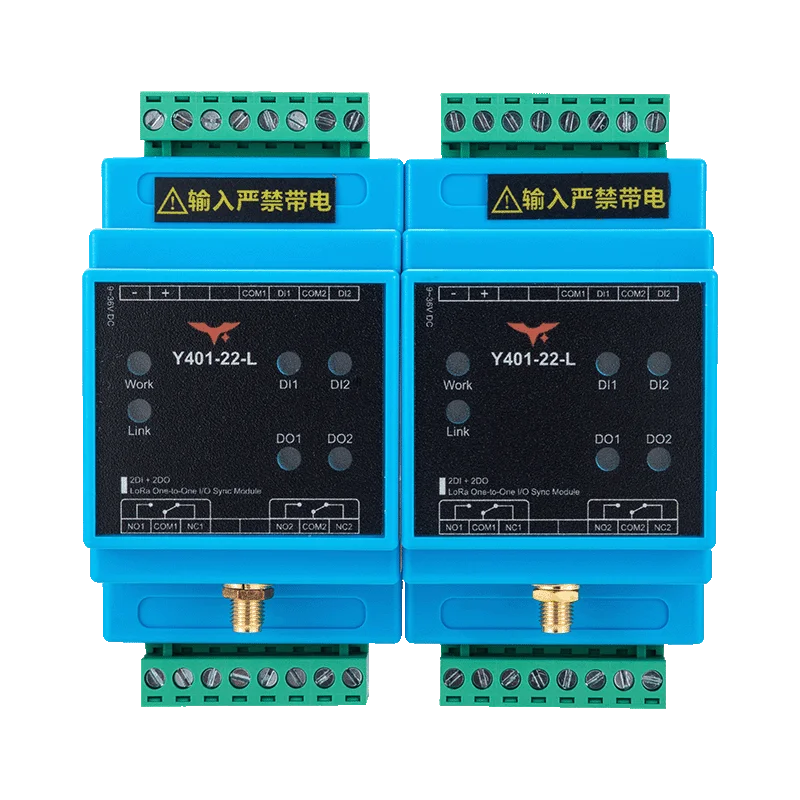
Replace long signal cables with LoRa wireless I/O modules. Choose dry contact-to-relay or 4–20 mA / 0–10 V analog signal mirroring to match your equipment. Power each module locally.
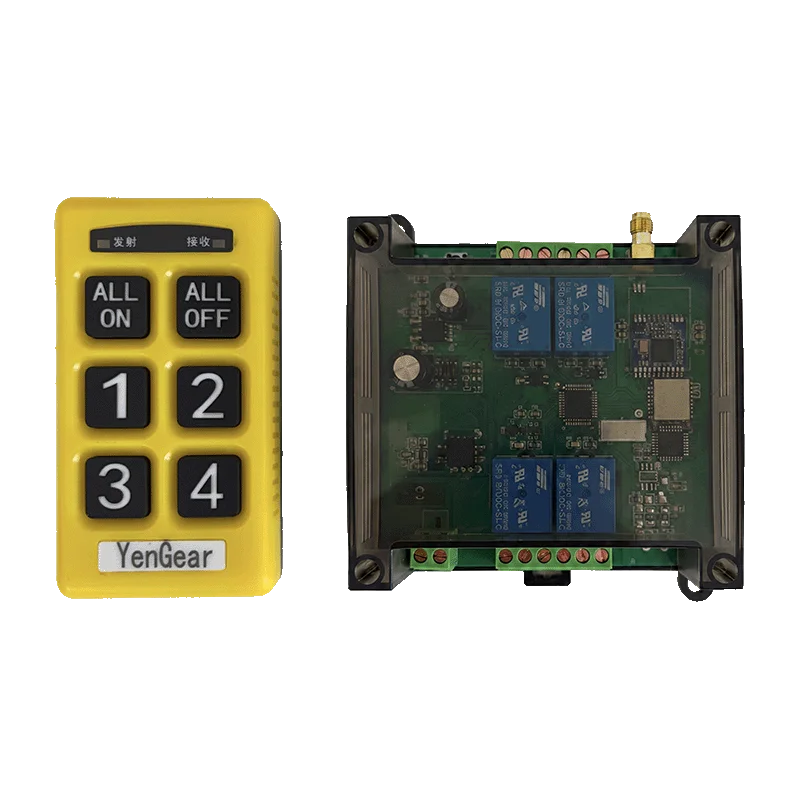 New Y406 LoRa Wireless ControllerHandheld remote controlUp to 3 km2 / 4 / 6 / 8 / 16 circuitsView Y406
Choose by equipment, network and operating target.
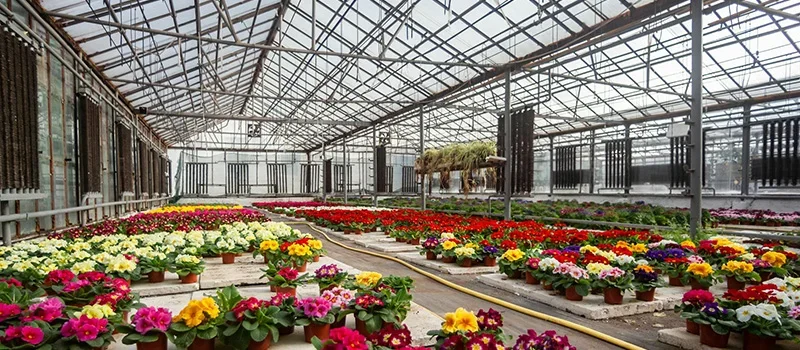
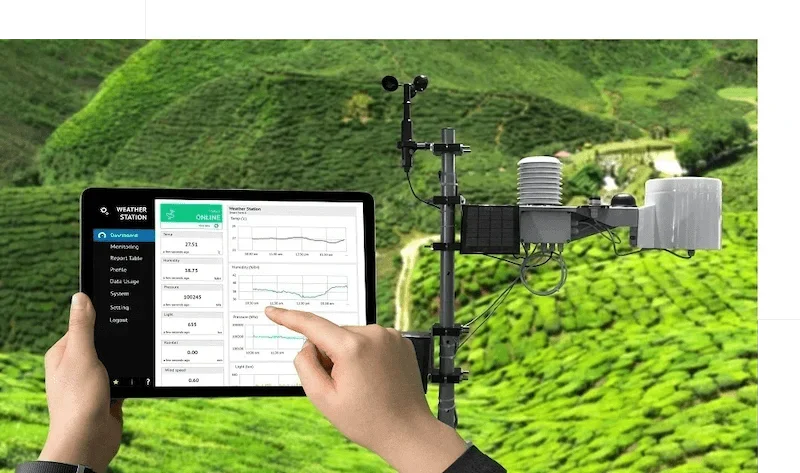
Monitor greenhouse climate and coordinate fans, irrigation and lighting by zone and rule.
View solution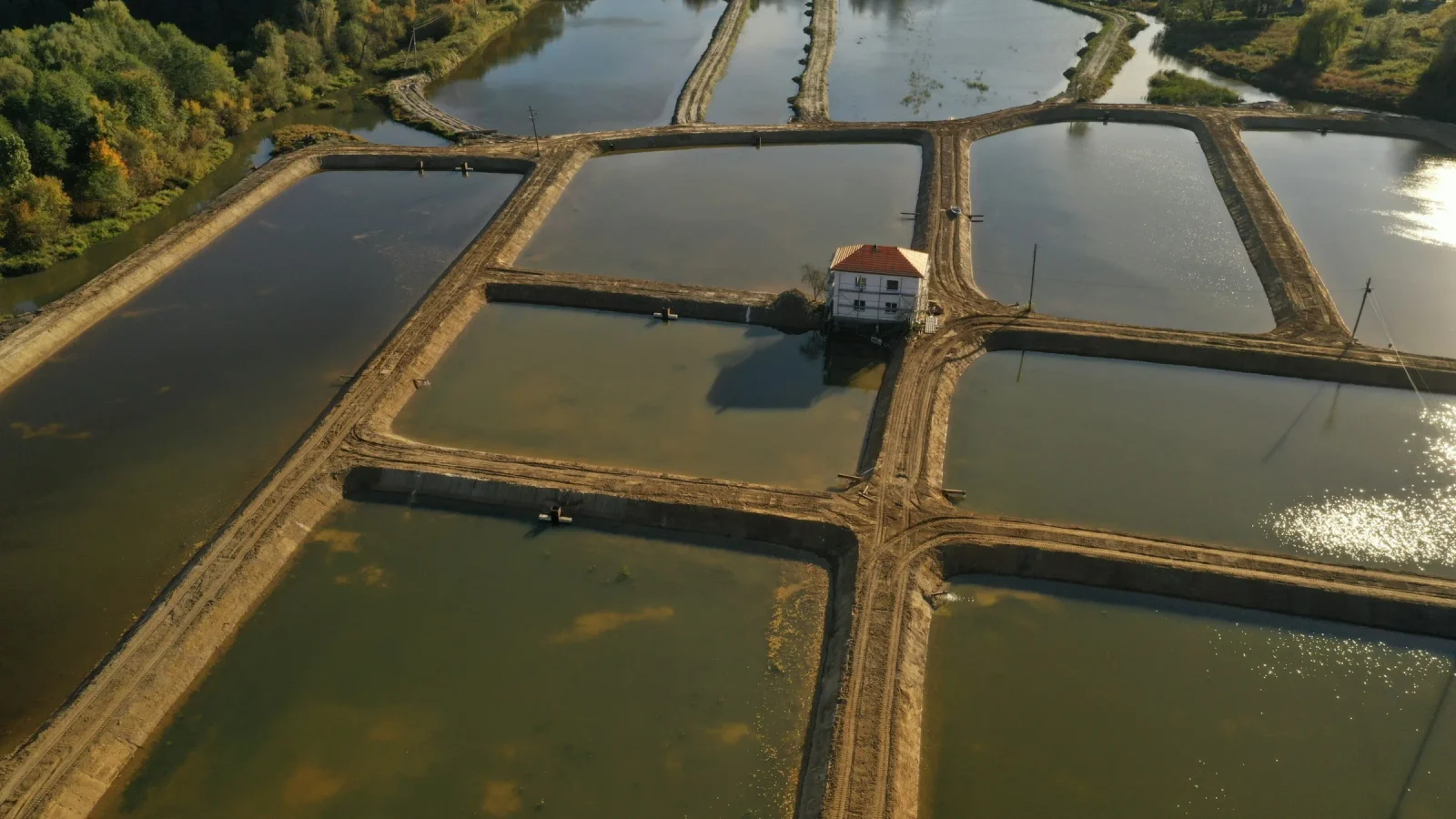
Monitor water quality, link aeration and respond to pond conditions from one connected system.
View solution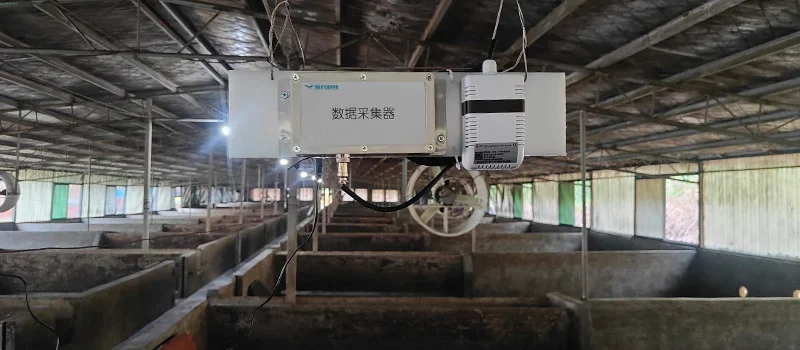
Monitor barn climate and air quality across production stages, with connected equipment control and alerts.
View solution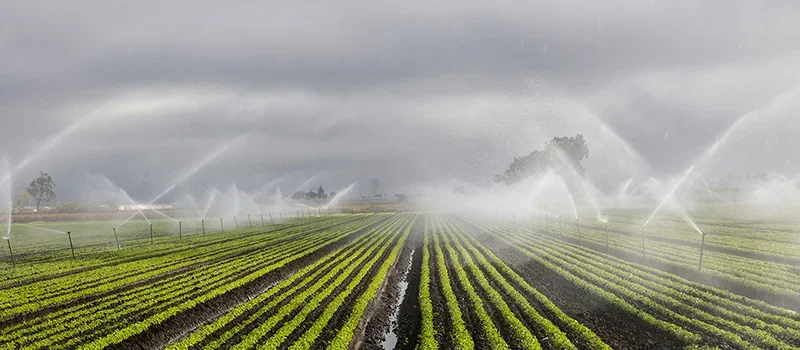
Connect pumps, zone valves and field sensors for scheduled or condition-based irrigation control.
View solution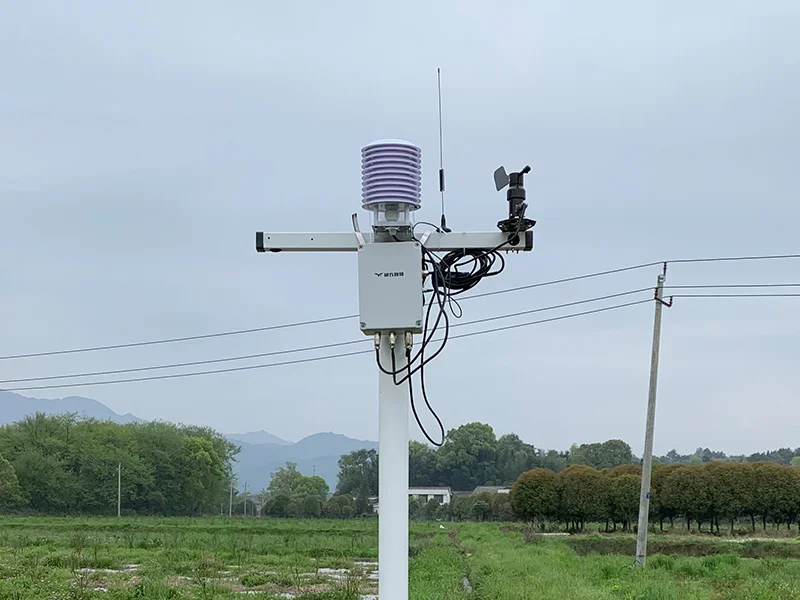
Monitor industrial park air quality, emissions, weather and reporting from one connected platform.
View solution
Monitor distributed environmental conditions and coordinate emergency equipment response along long routes.
View solution




Real installations across agriculture, infrastructure and industry.
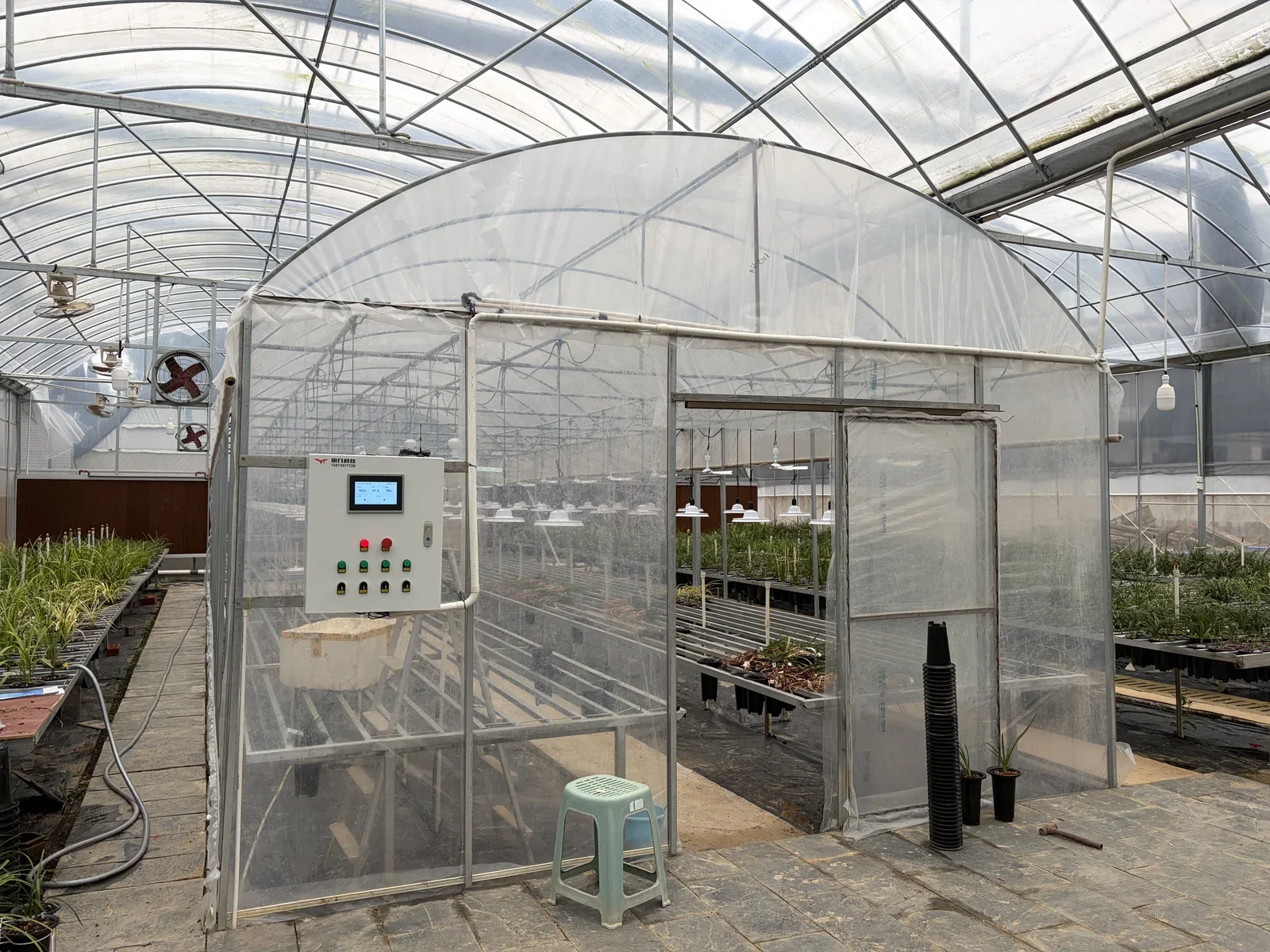
Greenhouse · Y951 + IoT Cloud
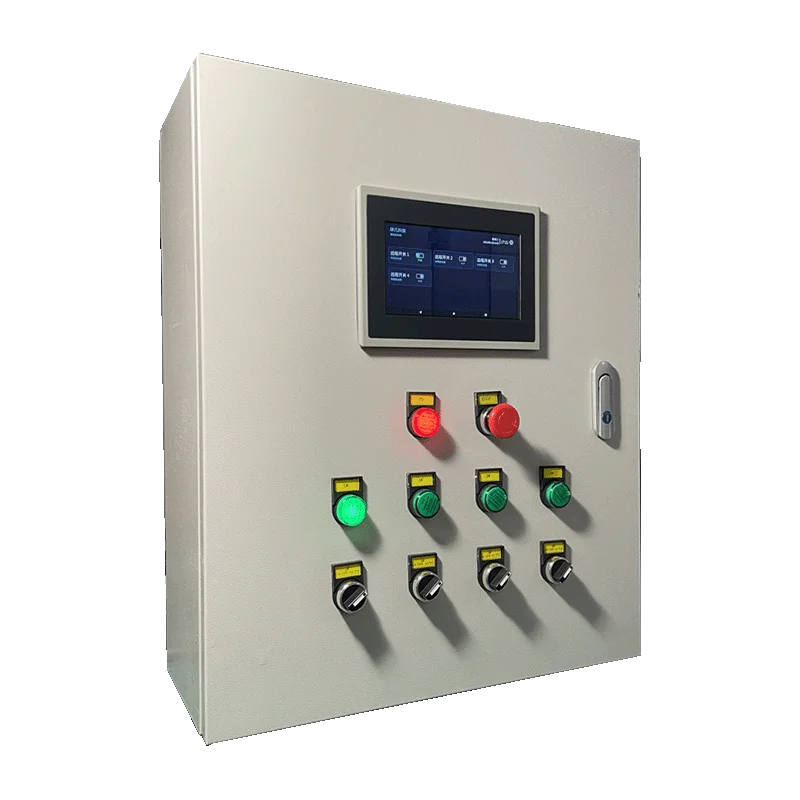
In this installation, IoT Cloud rules trigger Y951 to switch on supplemental lighting when light is low and start the fan when temperature is high. Remote control and cloud rules require the cabinet to stay online. Staff use the cabinet touchscreen locally, or a phone or web interface remotely.
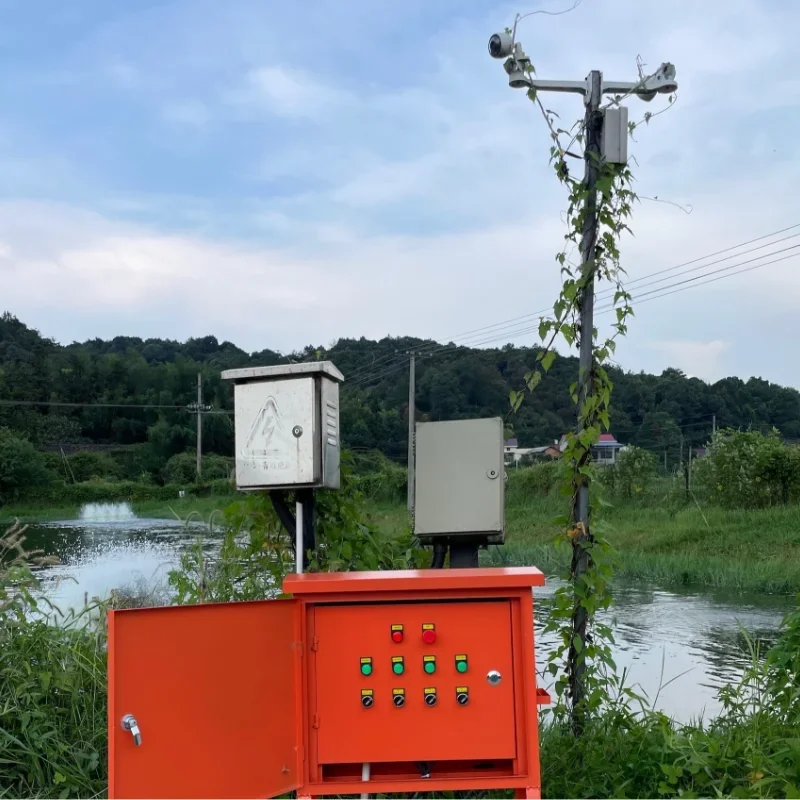
Aquaculture · Monitoring & alerts
The system monitors pond water quality and connects to feeding equipment. Staff receive app and SMS alerts when readings fall outside the configured range.
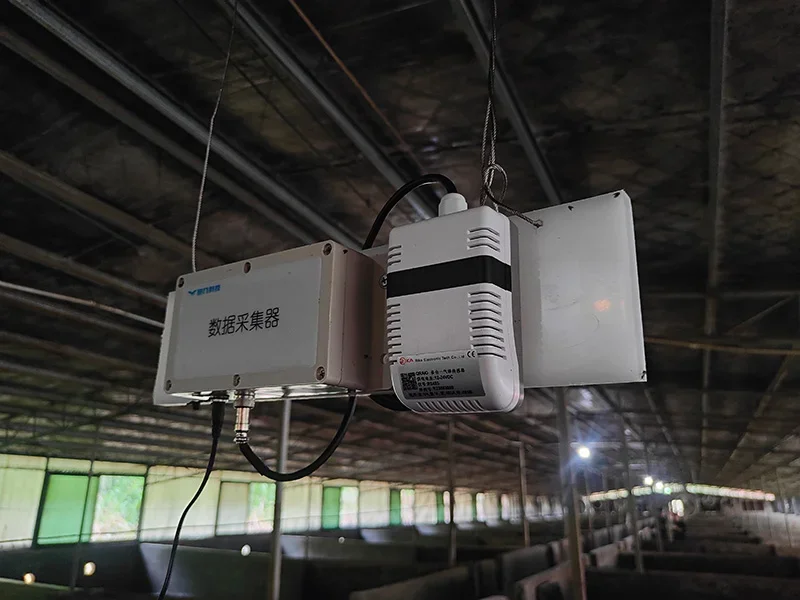 CollectPig Barn Data CollectorCollectHydrological Station
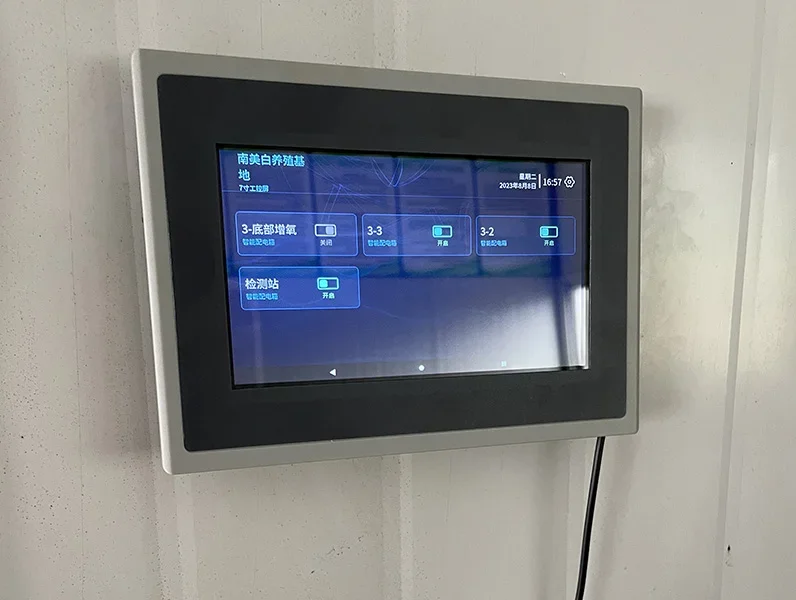 ControlIndustrial Touch Panel
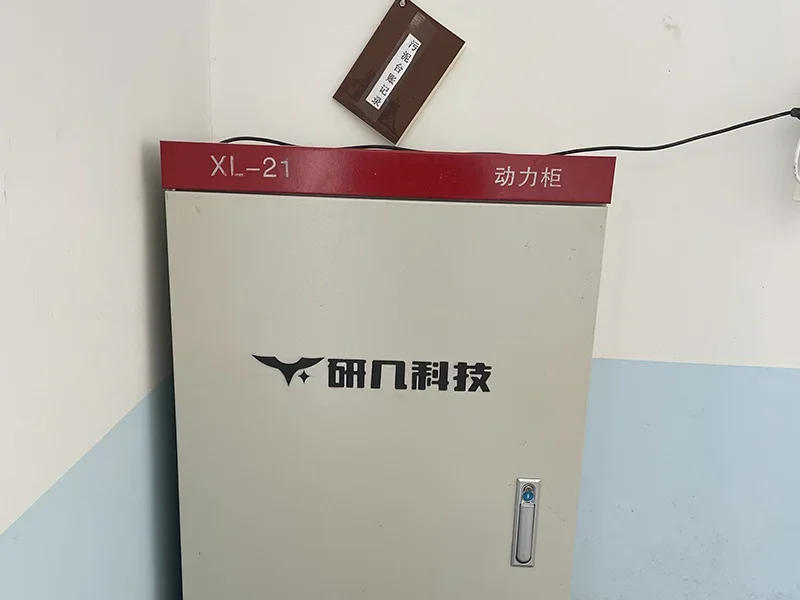 ControlIrrigation Power Cabinet
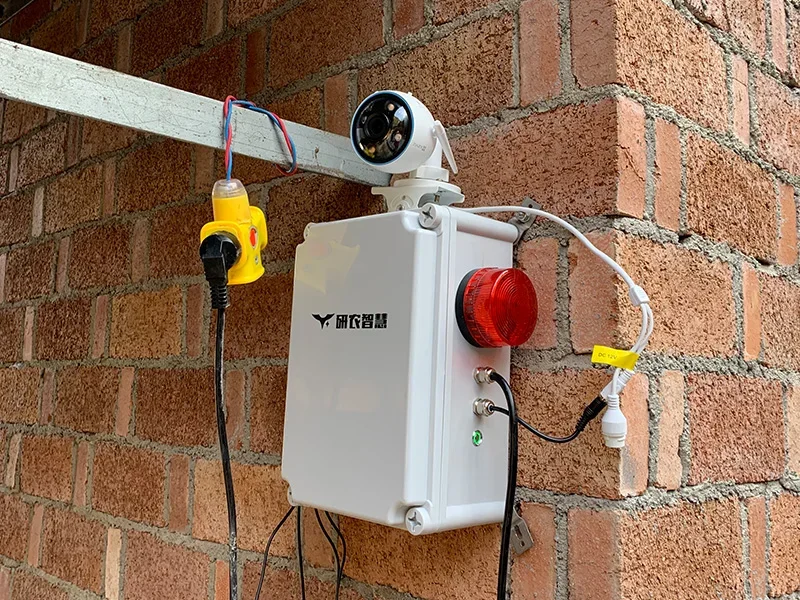 ControlPig Barn Camera & Alarm
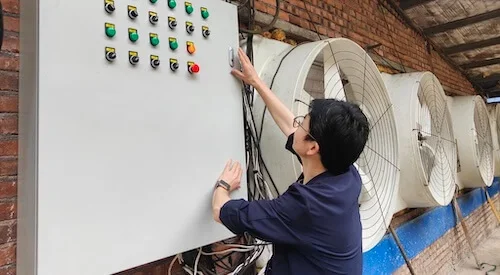
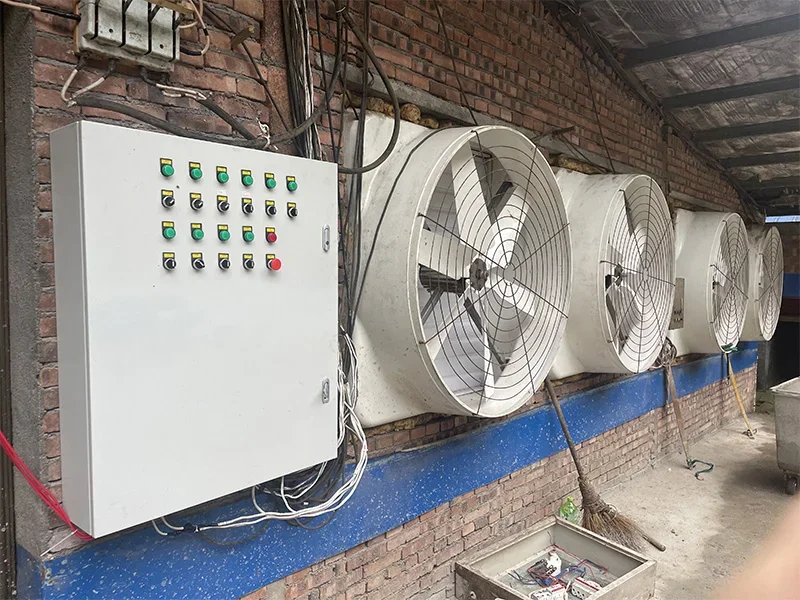 ControlVentilation Control Cabinet
YenGear is an industrial IoT manufacturer and solution provider specializing in data acquisition, transmission, and equipment control.
We offer industrial gateways, I/O modules, and control systems, along with YenGear IoT Cloud for real-time monitoring, remote control, alerts, and API integration.
We also provide hardware and software customization to meet specific project requirements.
Project Support
Share the equipment, site conditions and control goals. We will help identify the next technical step.